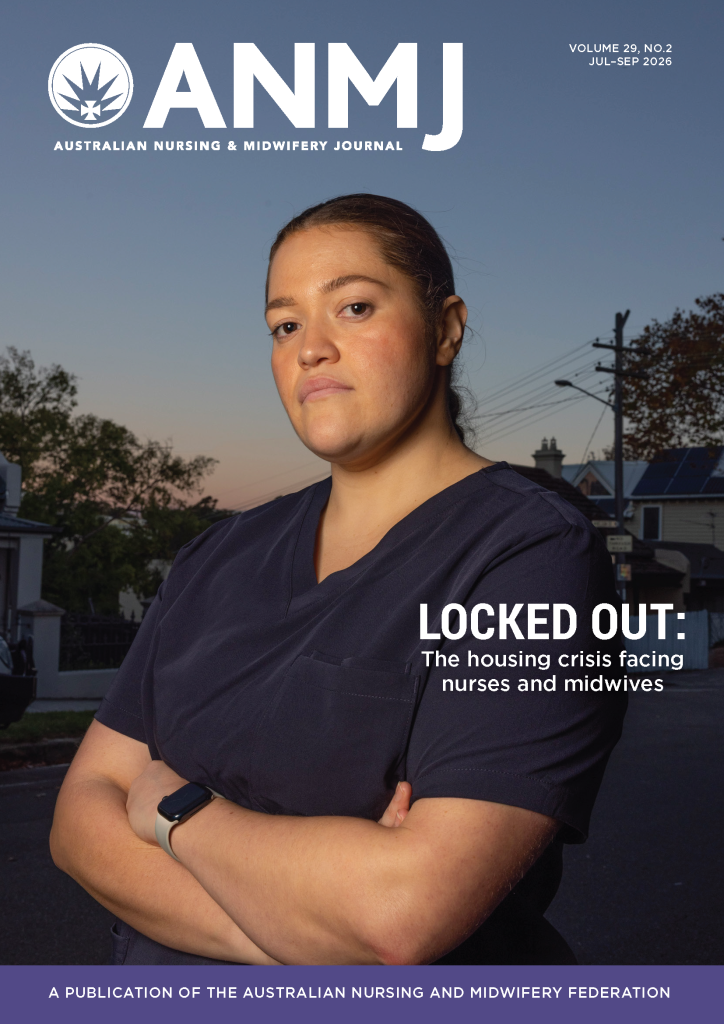


In acute care, timely communication is critical. Traditional nurse call systems typically depend on corridor lights or central annunciators, which can delay responses and limit nurses’ ability to prioritise patient needs.
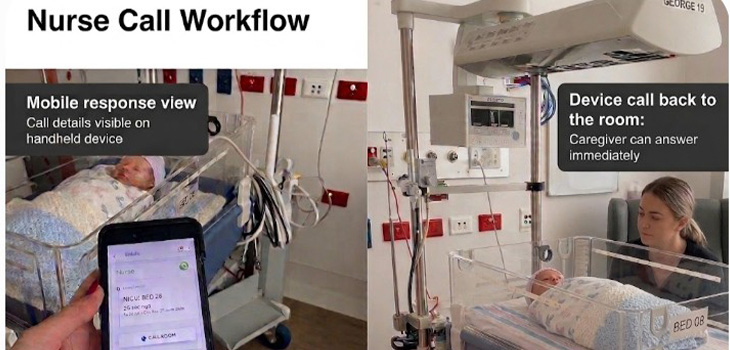
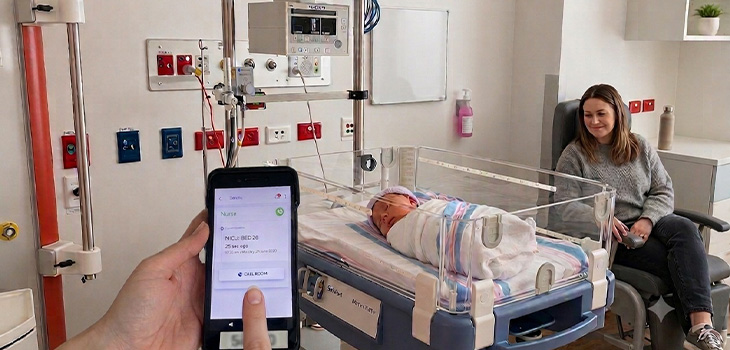
To address these limitations, our Network introduced and implemented an integrated communication model that delivers nurse call alerts directly to handheld Clinical Communication Devices (CCDs) carried by nurses.
When a patient activates the call bell, the alert is transmitted immediately to the assigned nurse device, including room details and priority level; unresolved calls then escalate to a designated buddy nurse for an efficient response.
Implementing this model demonstrated clear benefits, including faster alert delivery, improved visibility of patient requests, and enhanced understanding of real-time workflow patterns. These outcomes support nursing accountability, strengthen prioritisation, and contribute to more timely patient care.
However, the rollout also revealed important challenges. Six months of dashboard data showed higher-than-expected system activity and increased call escalations during peak periods, raising concerns about alert burden for buddy nurses and underscoring the need to adapt digital systems to the realities of clinical work.
In response, we collaborated with frontline staff to refine escalation timeframes, simplify login processes, and clarify expectations for handover and device use. These adjustments have reduced unnecessary interruptions and improved alignment between technology and nursing workflow.
This project illustrates that digital transformation in nursing extends beyond introducing new devices; it requires continuous refinement informed by data and clinician feedback. By iteratively shaping communication systems to support clinical practice, we can create safer, more efficient, and more responsive environments for both nurses and patients.
Author
Claire Lake, BSc (Hons) (Children’s Nursing), MSc (Advanced Nursing Practice: Child, Youth and Family), MSc (Advanced Critical Care Nursing), Chief Nursing Information Officer, Sydney Children’s Hospitals Network
Images have been generated using AI and do not represent actual patients, families, or staff members