
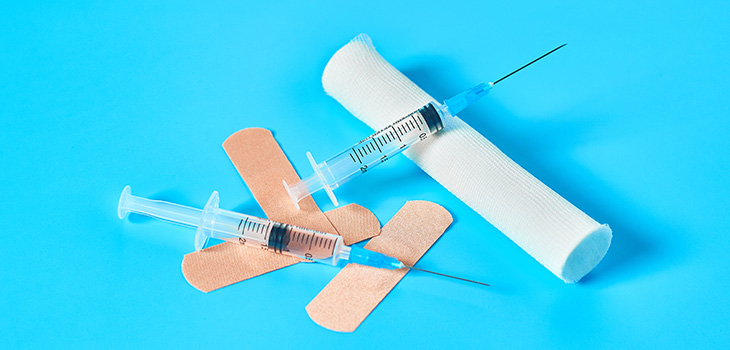

Needlestick injuries remain a significant risk across Australia’s healthcare system. Studies estimate 18,000–30,000 needlestick and sharps injuries occur each year, with many more likely going unreported. These incidents impact nurses, midwives, cleaners, and everyone involved in waste management, disrupting workflows, causing anxiety and increasing exposure to infections.
To strengthen protection and support safer clinical environments, Australia has introduced new sharps containment standards: AS/NZS 23907:2023. These updated requirements replace the 30-year-old AS4031:1992 and reflect modern clinical realities, improved safety science, and a stronger emphasis on sustainability.
Why the New Standards Matter
The new AS/NZS 23907:2023 standard was designed to:
- Reduce needlestick injuries
- Improve clinical workflow safety
- Ensure clearer, more consistent container identification
- Support more environmentally responsible waste systems
At its core, the standard recognises that safer sharps disposal protects not only frontline clinicians but everyone involved in the waste journey from wards to storerooms to final disposal.
Key Updates
1. Stronger Focus on Safety
Sharps containers must now meet higher puncture-resistance requirements, bringing them in line with modern clinical waste risk profiles. This helps prevent sharps from piercing container walls and exposing staff to injury.
2. Improved Closure Systems
The standard requires:
- Temporary closures for safe “between-use” handling
- Permanent, non-reopenable closures once a container is full
This ensures safer workflows in busy environments where containers are moved, bumped, or accessed frequently.
3. Clearer Colour Requirements
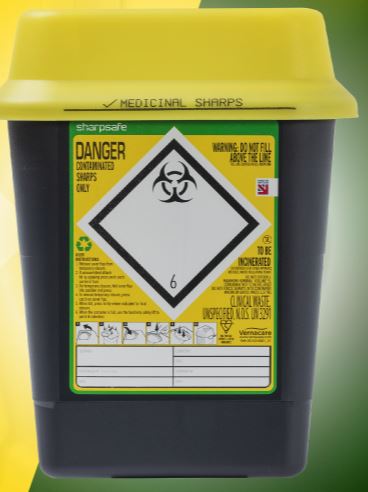
Colour visibility requirements have been strengthened so containers can be identified from three metres and at all angles, supporting correct waste segregation.
For example:
- Yellow: general sharps
- Purple: cytotoxic
- Yellow with orange: pharmaceutical/incineration-required sharps
Correct segregation improves safety, reduces environmental footprint and supports healthcare sustainability goals.
4. Sustainability Built Into the Standard
For the first time, Australian sharps container standards include environmental considerations.
These encourage healthcare providers and suppliers to:
Improve waste segregation to avoid over-incineration
Use recycled materials where appropriate
Reduce unnecessary plastic
Minimise harmful environmental impact across the container’s lifecycle
The updated colour rules also allow the use of recycled polymers without compromising visibility, something that was difficult under the “all-yellow” requirement[CR1] .
“To help protect the environment, the healthcare sector must shift its perspective making small, practical adjustments to workflows and adopting practices that support safer and more sustainable systems.
What This Means for Nurses and Midwives
Nurses and midwives sit at the centre of sharps safety. Simple, everyday actions make a meaningful difference:
- Choose the right container for the correct waste stream
- Activate temporary closures when containers are not in use
- Never fill past the line engage the permanent closure immediately
- Use the smallest suitable size to ensure regular turnover
- Position containers correctly at point of care to avoid unsafe reach or handling
- Report incorrect or unsafe placement so improvements can be made
- Advocate for sustainable options where available
These adjustments support the goals of the new standard while protecting colleagues, patients, and waste handlers.
The revised sharps container standards introduce practical updates aimed at improving safety and supporting more sustainable waste practices. AS/NZS 23907:2023 brings clearer labelling, updated container design, and a shift toward materials that better reflect current clinical and environmental expectations. For nurses and midwives, the changes simply reinforce the value of consistent, careful sharps management in day-to-day work. These updates are designed to make that easier and safer. Have you spotted new containers in YOUR workplace?
“By embracing the updated standards, we protect healthcare workers, reduce harm, and safeguard the future of our healthcare system.”



One Response
Thank you for the Update of standards