


Australians living in consistently hot and humid northern regions are at greater risk of kidney failure than their compatriots in more temperate and less remote locations, researchers have found.
University of Queensland researchers investigated the influence of climate zones and geographic disparities on the incidence of patients needing kidney transplants or dialysis.
Higher incidences were identified in locations with hot temperatures and greater humidity, said researcher Dr Darsy Dassan from UQ’s School of Public Health.
“These areas were also likely to be located in rural or remote areas and have a lower socioeconomic status, highlighting the complex interplay of the driving factors.”
“There are serious inequities in these disadvantaged and remote populations with hotter climates that need to be addressed through improved access to care and expanded prevention programs.”
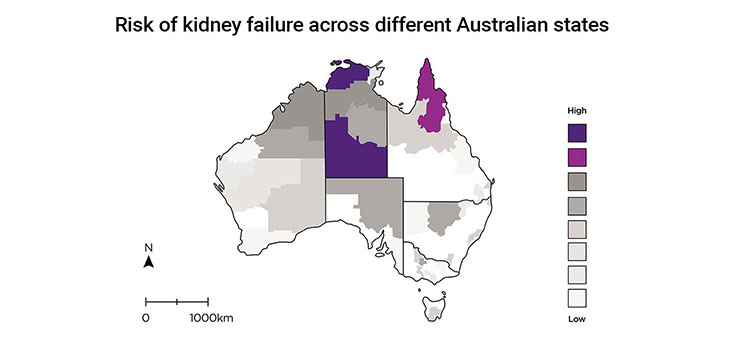
The study looked at data from almost 50,000 Australian adults who started treatment for kidney failure between 2000 and 2020, within the six zones of the Bureau of Meteorology’s climate classifications.
Variations in incidents of kidney failure were also apparent across climate zones within and between major cities, with Darwin at highest risk, said UQ’s Associate Professor Nick Osborne.
“Dehydration can increase kidney stress and potentially accelerate the progression of kidney disease. Remote areas may mean reduced access to healthcare, further exacerbating the risk.
“Patients requiring dialysis are particularly vulnerable during extreme weather events, and it is critically important that they have reliable healthcare access.
“By taking advantage of Australia’s large size, it enables an assessment of the impact of variations in climate on the incidence of kidney failure.”
The findings reinforced the value of viewing health holistically and considering bio-psycho-social and environmental factors, said Royal Melbourne Hospital Nephrologist Dr Mark Tiong.
“As the climate continues to change, incorporating these broader factors into our understanding of kidney disease will be important for planning equitable, practical, and sustainable care.”
The data was provided by the Australian and New Zealand Dialysis and Transplant (ANZDATA) registry.
The research is published in BMC Medicine.