

Frontline healthcare workers have been urged to wear P2 face respirators if they are concerned about the risk of hantavirus infection.
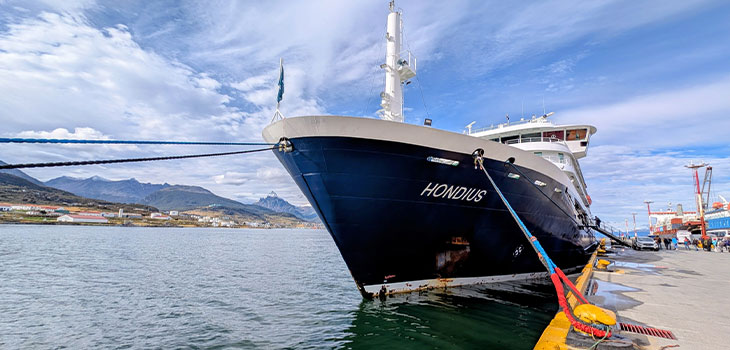
With Australian passengers of the affected cruise ship due to return home, initially to quarantine in Perth, University of the Sunshine Coast microbiology and infection prevention/control experts have urged vigilance for healthcare professionals at risk.
It has been reported that five Australian passengers from the affected ship – two believed to be from Queensland – will be quarantined in Perth for three weeks.
“The risks for everyday Australians remain low at this stage but domestic healthcare workers must remain vigilant for imported cases, as their direct contact with patients and clinical specimens places them at highest risk of exposure,” write Associate Professor of Microbiology Erin Price, Associate Professor Joanne Macdonald and Senior Lecturer Matt Mason in their Q&A feature.
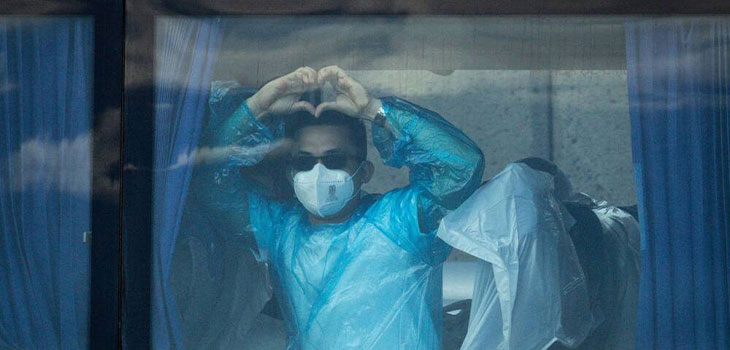
“Like COVID, the elevated risk to Australian healthcare staff cannot be overstated. Twelve Dutch healthcare workers have entered mandatory six-week quarantine due to improper handling of hantavirus-contaminated blood and urine from a hospitalised patient.
“Frontline healthcare workers in Australia – including nurses, doctors, paramedics, laboratory and support staff – should remain alert for potentially infectious patients, particularly those with recent travel history or contact with travellers.
“They should adopt appropriate protective measures including P2 masks in addition to gloves, gowns and eye protection, and adhere strictly to established safety procedures.”
Australia is the only inhabited continent that has never recorded a locally acquired human hantavirus infection despite a quarter of a century of monitoring and testing. This is because none of the hantaviruses found naturally in Australian rodents are thought to cause human infections.
Protection against hantavirus
The senior academics address a key question about protection against the group of hantaviruses that have no vaccine or targeted antiviral treatment.
“If you’re concerned about hantavirus, especially if you’re travelling overseas, the best way to protect yourself and your loved ones is to wear a P2 (N95) or higher respirator in places where there’s poor ventilation and you’ll be in contact with other people.
“Wearing a respirator will also protect you from catching other infectious respiratory pathogens like influenzavirus, RSV, adenovirus, human metapneumovirus, human parainfluenza virus, SARS-CoV-2 and other coronaviruses, and rhinovirus.”
Respirators are widely available in Australia through pharmacies, major supermarkets, hardware stores and online retailers.
Because infection can also occur through contact with contaminated fluids, taking standard precautions by washing hands regularly or using hand sanitiser, avoiding touching their face, and taking care with shared or frequently used surfaces are recommended.
“Hantavirus could survive from a few hours to a few days on surfaces, so simple precautions like wiping down areas such as aeroplane tray tables and washing your clothes and hair after long travel journeys can provide an added layer of protection.”