
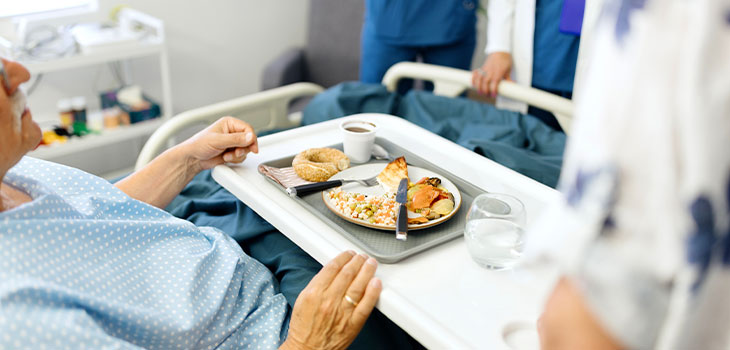

Early, consistent use of validated screening tools — such as the Adult Nutrition Tool (ANT) and the Malnutrition Screening Tool (MST) — are essential for nurses working in remote and regional hospitals, where malnutrition risk is higher and often under‑recognised.
Joint nursing and dietetic research in Central Australia has confirmed what many remote area nurses see every day: malnutrition is common, complex, and frequently missed without structured screening.
The study, led by Charles Darwin University (CDU) Senior Lecturer in Nutrition and Dietetics Rachael Smalley and CDU Dean of Nursing & Midwifery Professor Natasha Franklin, analysed a 10‑year cross‑sectional dataset of 980 adult patients in a remote Central Australian hospital.
More than half of all patients screened were at risk of malnutrition — a prevalence far higher than national averages.
“The study highlights the impact of malnutrition, which is a significant and persistent health issue in remote hospitals and also across Australian hospitals,” Ms Smalley said.
In Australia, healthcare and aged care settings commonly use validated malnutrition screening tools such as the Malnutrition Screening Tool (MST), Malnutrition Universal Screening Tool (MUST), Mini Nutritional Assessment (MNA), PG-SGA and GLIM criteria to identify individuals at risk of malnutrition.
For nurses, this reinforces a critical point: malnutrition is not a dietetics‑only issue. It is a core nursing role, especially in remote settings where early detection can prevent deterioration, reduce hospital stays, and improve long‑term outcomes.
What the research found
- High prevalence — over 50% of adults screened were at risk of malnutrition.
- Validated tools work — the ANT and MST were confirmed as reliable predictors of malnutrition risk in remote hospital populations.
- Chronic disease interplay — conditions such as diabetes, renal disease, and cardiovascular disease compound nutritional vulnerability.
- Remote‑area factors — food insecurity, socioeconomic disadvantage, geographic isolation, and limited access to services all heighten risk.
- Need for early intervention — screening must occur at admission and be repeated when clinical status changes.
- Multidisciplinary care — coordinated nursing, dietetic, medical, and community follow‑up is essential for sustainable outcomes.
What this means for nurses in practice
1. Screen early — and repeat when needed
Malnutrition can develop or worsen quickly. Nurses should screen:
- On admission.
- After any acute deterioration.
- When appetite, weight, or functional status changes.
- Prior to discharge, especially for high‑risk patients.
2. Use validated tools consistently
The study confirms that the Adult Nutrition Tool and the Malnutrition Screening Tool are appropriate for remote hospital settings.
- They are quick (usually under 5 minutes).
- They require minimal equipment.
- They can be completed by any trained nurse.
3. Document clearly and escalate promptly
A positive screen is not a diagnosis — it is a trigger for action. Nurses should:
- Document the score.
- Notify the dietitian or medical team.
- Begin basic nursing nutrition care (eg. monitoring intake, supporting meal access, addressing barriers).
4. Recognise the broader context
There are a multitude of factors often associated with living in remote areas that can further increase the risks of health disadvantages, said Professor Franklin
“Factors such as food insecurity, socioeconomic disadvantage, geographic isolation, limited access to healthcare services and high burden of chronic disease.”
Understanding these determinants helps nurses tailor care and advocate for patients.
5. Support continuity of care
Professor Franklin highlights that early detection and multidisciplinary care are critical for long‑term nutrition outcomes — and nurses are the first line of defence.
“The study highlights the need for earlier intervention and detection when managing patients who are malnourished or at risk of malnutrition, and that a multidisciplinary approach including community and hospital coordinated care is critical for patients’ long-term nutrition care.”
Practical tips for nurses
- Ask about unintentional weight loss — even small changes matter.
- Observe meal patterns — poor intake for >5 days is a red flag.
- Check for barriers — dentures, swallowing issues, nausea, mobility, cultural factors.
- Monitor chronic disease impact — especially renal disease, diabetes, COPD, and cancer.
- Advocate early — timely referrals prevent deterioration.
Why this research matters
For nurses, this study reinforces that:
- Malnutrition is common.
- It is clinically serious.
- It is preventable with early screening.
- Nurses are central to detection and intervention.
Source: The study is available open access in journal Nutrition & Dietetics here