


Survivors of family, domestic and sexual violence living in crisis accommodation in South Eastern New South Wales now have greater access to healthcare through a new partnership initiative.
A two-year pilot program funded by the federal government will embed primary healthcare services directly into crisis accommodation settings. The aim is to make it easier for women and children experiencing violence to receive ongoing, integrated healthcare and support.
The Connect Well pilot, delivered in partnership between COORDINARE – South Eastern NSW Primary Health Network and Silverchain, will provide access to a multidisciplinary healthcare team, including onsite GPs, nurses and service navigators within crisis accommodation services in Eurobodalla, Goulburn and the Shoalhaven.
For many women and children experiencing domestic, sexual and family violence, “crisis is their normal living space,” with survival taking priority over health, said Silverchain Clinical Nurse Manager Clare Warren.
“This is just an escalation that’s got them to a point where they’ve gone to a refuge. But essentially, they’ve been living in that real sort of tension of trying to keep things safe for themselves and their children. They haven’t been able to prioritise their own health.
“They haven’t been able to think much about their children’s health other than that primary goal of keeping them safe. And so, this gives them an opportunity, in a safe space, to access some long-neglected healthcare.”
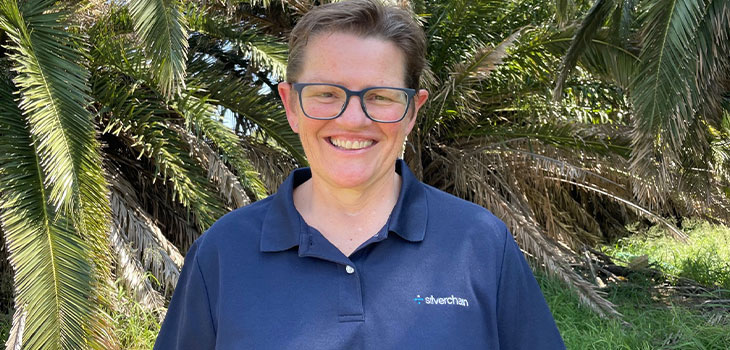
Based in Newcastle, Ms Warren has worked with Silverchain for over a decade, initially in palliative and end of life care. The Connect Well model fills a critical gap, she said.
“There’s been a lot done for family, domestic and sexual violence, but there are such gaping holes. This seemed to be much like palliative care, where you can get in, do something, and make a difference.”
The holistic model aims to deliver coordinated healthcare while protecting the privacy of victim survivors and supporting them while they consider other options. Healthcare is free, with an onsite GP clinic available for four hours each fortnight. “It allows a person and their children to have a more concentrated period of time with the GP, and it’s in a space where they’ve begun to feel safe,” said Ms Warren.
A nurse and a health linker work together to help women navigate the health system, attend appointments, and complete essential documentation such as housing or NDIS paperwork that requires medical assessments. “It’s a real collaboration of those three people – the GP, the nurse and the health linker – who work really closely together,” said Ms Warren.
Nursing support includes assessment, identification and prioritisation of health needs. One of the most significant areas of demand is infant and child healthcare, including referrals to paediatricians, baby health nurses and allied health services.
“The things that we’re seeing are referrals for assessments around autism spectrum disorder and ADHD. Then there are things like kids needing catch up immunisations. There was one woman who hadn’t been to a GP for seven years – since her baby was born. It’s opened a whole range of options for her and her child.”
Navigating the pathway out of violence
Nurses working in this space need a deep understanding of the complexities of family, domestic and sexual violence, said Ms Warren.
“It is not a straight, clear pathway out of domestic violence. They may stay in the refuge for a time and then decide to go back to the home they’ve just left. As a nurse, how do you manage that and still provide care? It can be about helping them identify triggers and warning signs, so they understand when to get out again if needed.”
All staff involved in this service have completed trauma-informed care training, funded by the Primary Health Network.
Working in the crisis sector
The primary healthcare role suits general practice nurses, particularly immunisers and those experienced in health assessments or child and family health. However, the most important attribute is wanting to work in this area, said Ms Warren.
“Whatever area you’re working in, you’ve got to want to be there. You need to be fundamentally interested in looking after people in that situation.
“We start with people who have their heart in the right place. There’s a supportive culture at Silver Chain, and we’ve built that within all the teams I’ve worked in over the years, even if they’re working remotely.”
Looking ahead
Ms Warren hopes the pilot will demonstrate the value of embedding healthcare in every refuge. “What we’re hoping is that this pilot will show that this is worthwhile to have as part of the standard operating of a refuge.
“Because currently the option in most areas is to go out of the refuge to their own GP. For some people, it may not be safe to do that and it’s another barrier to them accessing healthcare.”