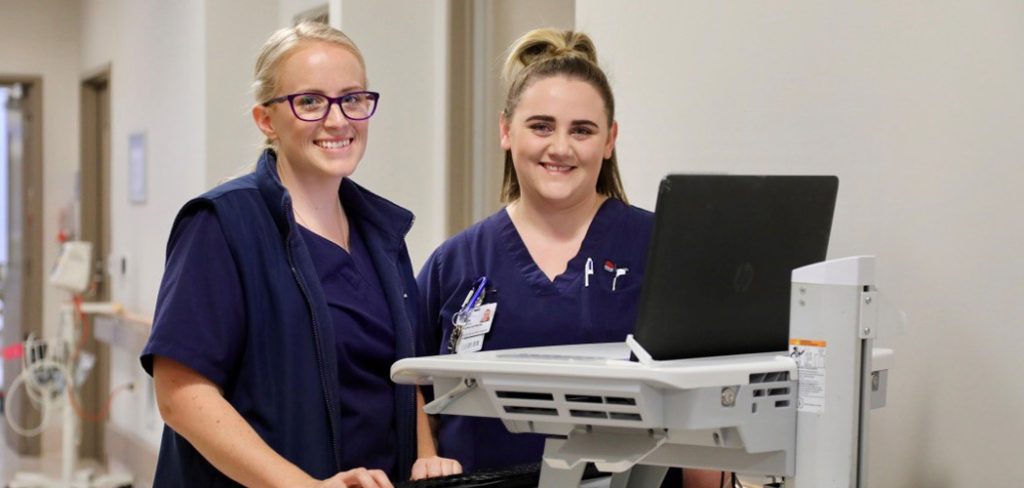


I’ve worked in primary healthcare for three years. My first year focused mainly on chronic healthcare plans. In my second and third years, I moved interstate and stepped into a full‑time primary health nursing role. The work changed completely. If you’re moving from hospital or community nursing, expect a different pace, broader tasks and workplace realities that aren’t always talked about.
Here’s a plain‑English, experience‑based guide to what to expect and practical steps to keep patients safe and protect your practice.
What you’ll actually do
- Complete chronic disease care plans and recalls.
- Administer immunisations and manage vaccine stock.
- Perform ear syringing, blood tests and ECGs.
- Organise daily wound dressings and follow‑up.
- Phone patients for routine checks.
- Assist doctors with minor procedures.
- One day you might be doing an ECG; the next you’re teaching someone how to use insulin or changing a dressing. That variety is rewarding but requires confidence with many basic clinical skills.
How primary care differs from hospital work
- Greater independence: you’ll make more routine decisions without immediate specialist support.
- More administration: documentation, care plans and recall systems take up a lot of time.
- Ongoing relationships: you’ll see the same patients repeatedly, which allows better long‑term care.
- Variable role expectations: small clinics differ widely in what they expect a nurse to do. Clear role definitions can be rare unless you request them.
Real problems I faced
Public criticism and online reviews: as a newly appointed nurse I was publicly criticised by a patient for being inexperienced. Later, another person posted a fabricated review aimed at damaging the clinic. These incidents were upsetting and stressful even when unfounded.
Scope creep: some doctors expected me to perform tasks beyond my training or authorised scope. This created uncomfortable and unsafe situations.
Financial or administrative pressures: I observed more frequent patient reviews than clinically required in some cases, which felt driven by income rather than need. I was also pressured to order large vaccine stocks and later saw the clinic reprimanded by a regulator for poor stock management.
Pay and workload mismatch: in small practices I sometimes did more duties and received lower pay than locally appointed colleagues.
Practical steps to protect patients and yourself
Get your role in writing: request a clear, written job description that states your responsibilities and boundaries. This reduces confusion and protects you if disputes arise.
Document everything clearly: objective, factual notes about clinical actions, patient instructions and delegations are vital. Good records protect you in the event of complaints or audits.
Learn and practice key skills early: basic phlebotomy, vaccine administration, wound care and ECG techniques boost confidence and efficiency—short training sessions or mentor days are worth the investment.
Use templates and batch admin: develop short note templates for chronic reviews, immunisations and wound care; set blocks of time to complete documentation rather than stopping between every patient.
Keep a local referral list: names and contacts for allied health, community services and specialists save time and improve patient care.
Handle public complaints professionally: follow clinic policy – don’t respond emotionally to online criticism; let management or a designated staff member handle public replies. Record the incident in the patient file.
Escalate unsafe requests: if asked to do something beyond your scope or that risks regulatory breach, refuse, document the request and seek advice from your union or regulatory body if needed.
Protect your wellbeing: short breaks, simple rituals between patients (drink water, stretch, breathe) and peer debriefs help with emotional load.
A practical example: Chronic wound patient
One patient attended frequently for wound care but repeatedly failed to follow dressing instructions at home. She wanted regular clinic time yet would reuse dressings and skip wound cleaning between visits. I prioritised a focused, practical approach: provided a one‑page, step‑by‑step dressing sheet with pictures; demonstrated the technique once and observed her perform it; booked a nurse review within a safe timeframe; and sent a brief SMS reminder the day before. I also contacted local community nursing to arrange support when she struggled with mobility and supplies. That combination of clear education, observed practice, scheduled follow‑up and community support reduced her clinic visits and improved healing. The short, targeted plan protected time and prevented further deterioration.
Why primary care is worth it
- Better hours for many roles, supporting family life.
- Rapid skill development across a wide range of practical tasks.
- Close patient relationships and satisfaction from seeing long‑term outcomes.
- More autonomy and often fewer organisational politics than larger institutions.
A short checklist before you start
- Obtain written role expectations.
- Arrange a mentor or experienced nurse for regular check‑ins.
- Prepare short note templates and a local referral contact list.
- Schedule short breaks into your day.
- Reflect monthly and try one small change to improve workflow.
Final thought
Primary healthcare nursing is different from hospital nursing, but it can be professionally rewarding and personally sustainable if you enter with clear boundaries, strong documentation habits and practical skills. Be prepared to ask for written role clarity, protect your scope of practice, and prioritise simple systems that make daily work safer and quicker.
Eleena Liong is a registered nurse working in primary care